SGFIN–Singlife Sustainable Finance Case Competition
22 Apr 2026
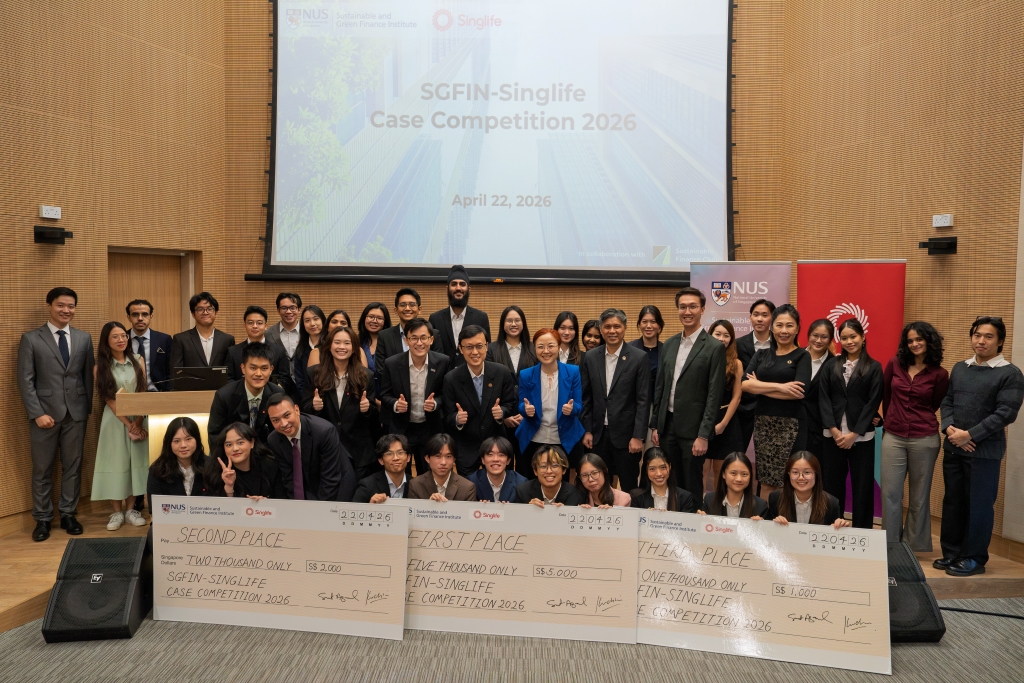
We were pleased to organise the SGFIN–Singlife Sustainable Finance Case Competition from January to April 2026. This marked the third edition of SGFIN’s case competition; and this year we partnered with Singlife. The competition centered on two key themes: Sustainable Actions by Individuals and Communities and Corporate Value Creation by Sustainability Initiatives.
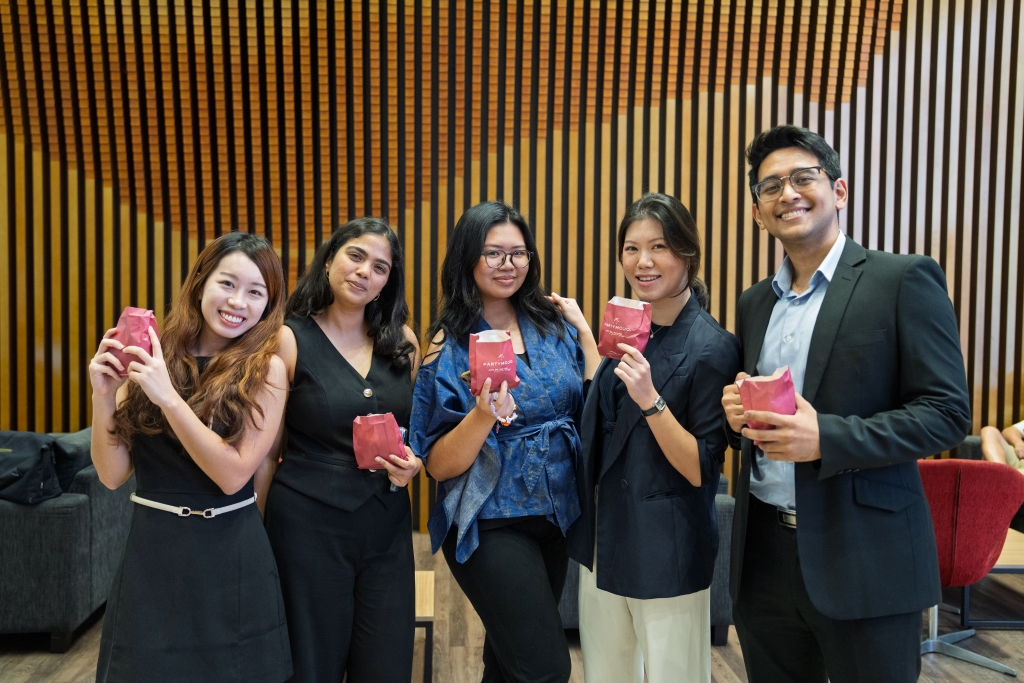
The competition saw strong participation, with over 400 students signed up and 62 preliminary submissions received. From these, nine finalist teams were shortlisted.
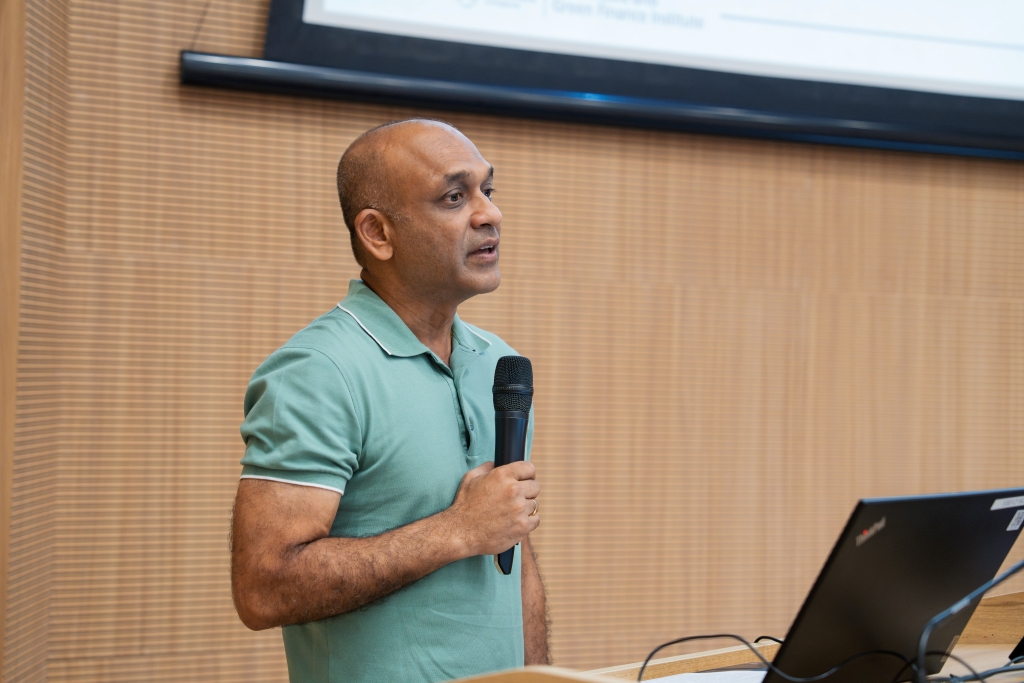
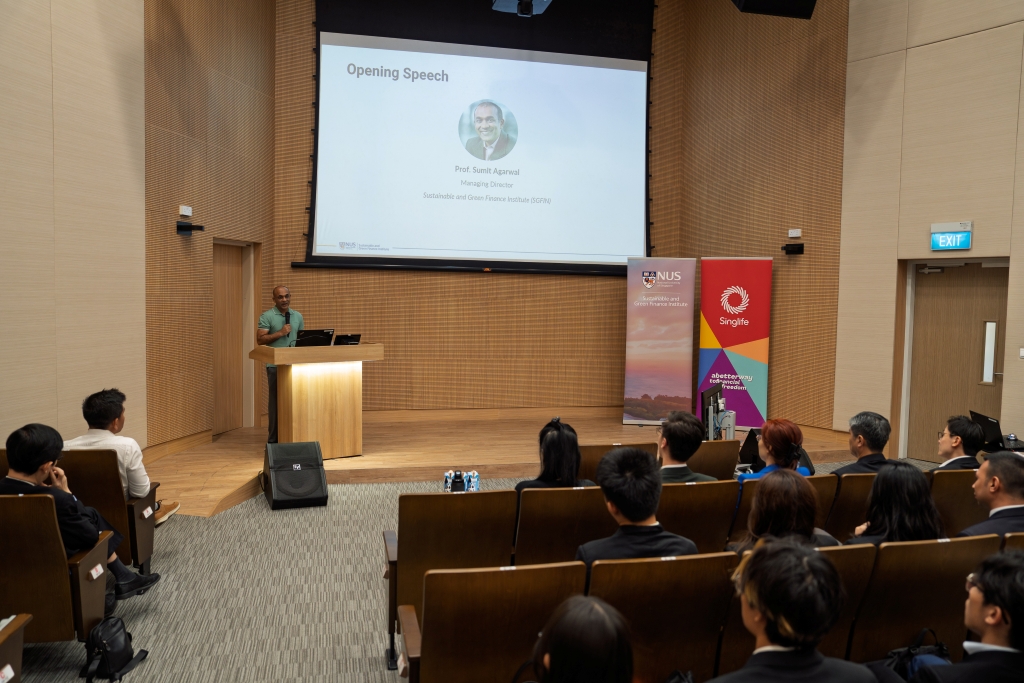
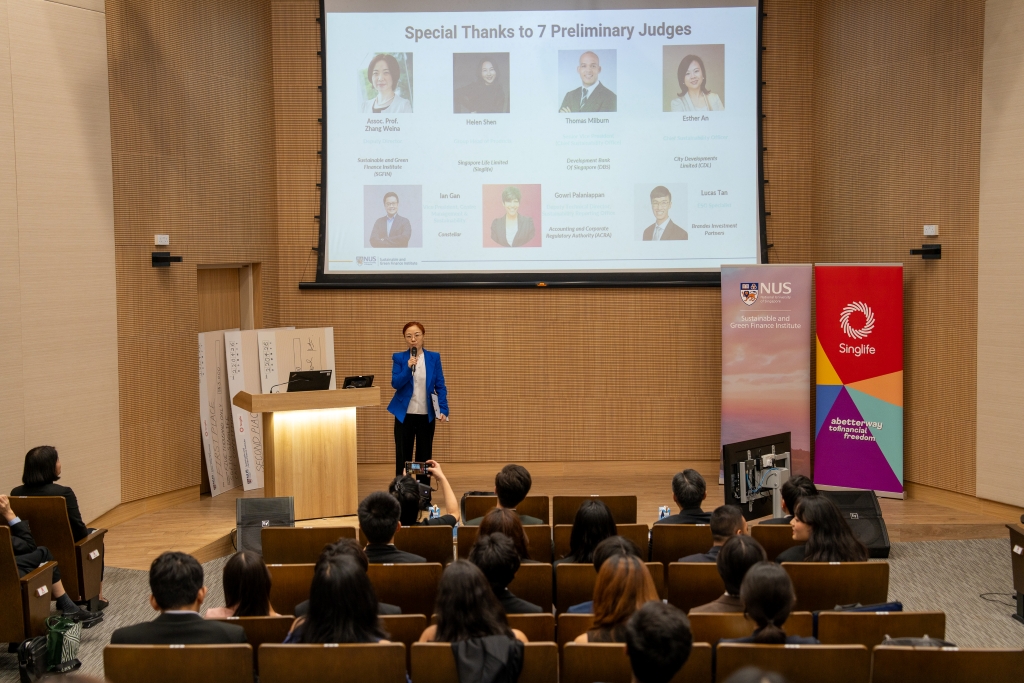
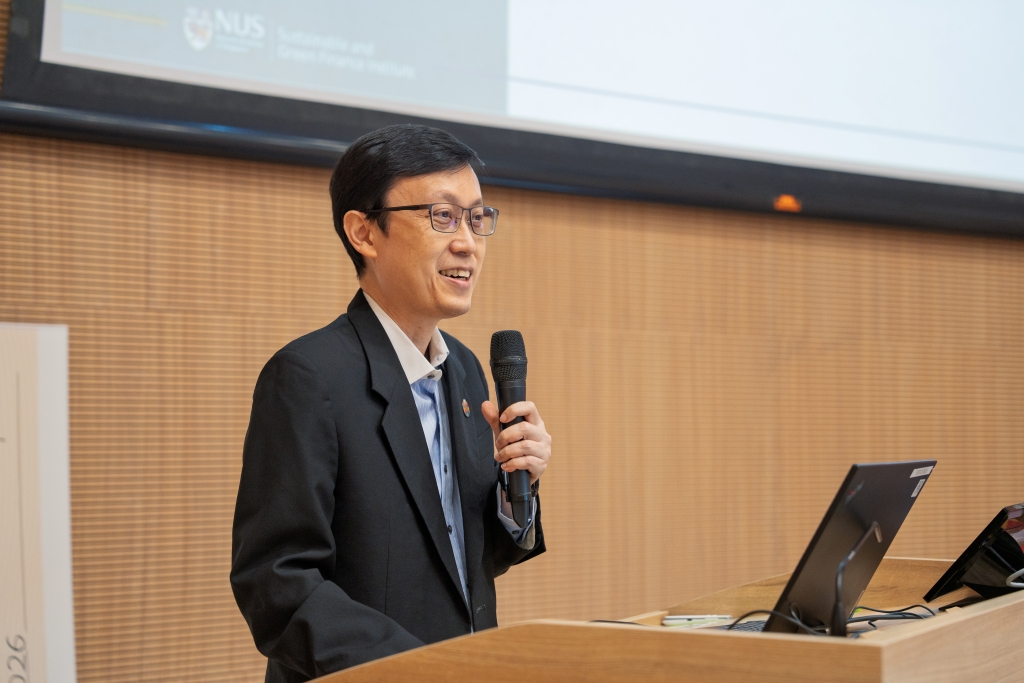
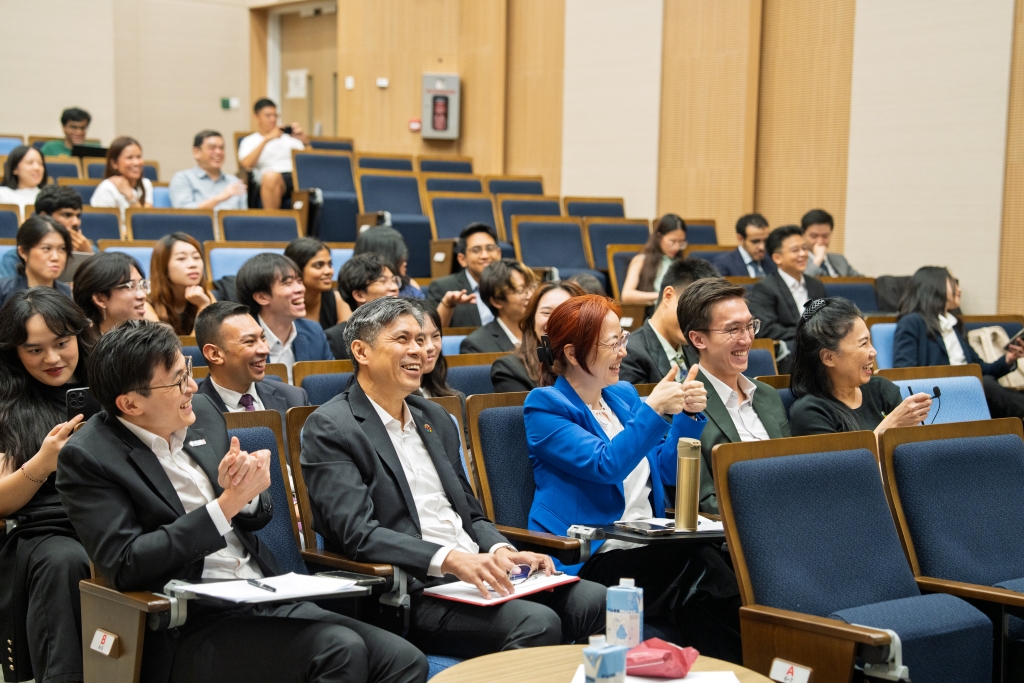
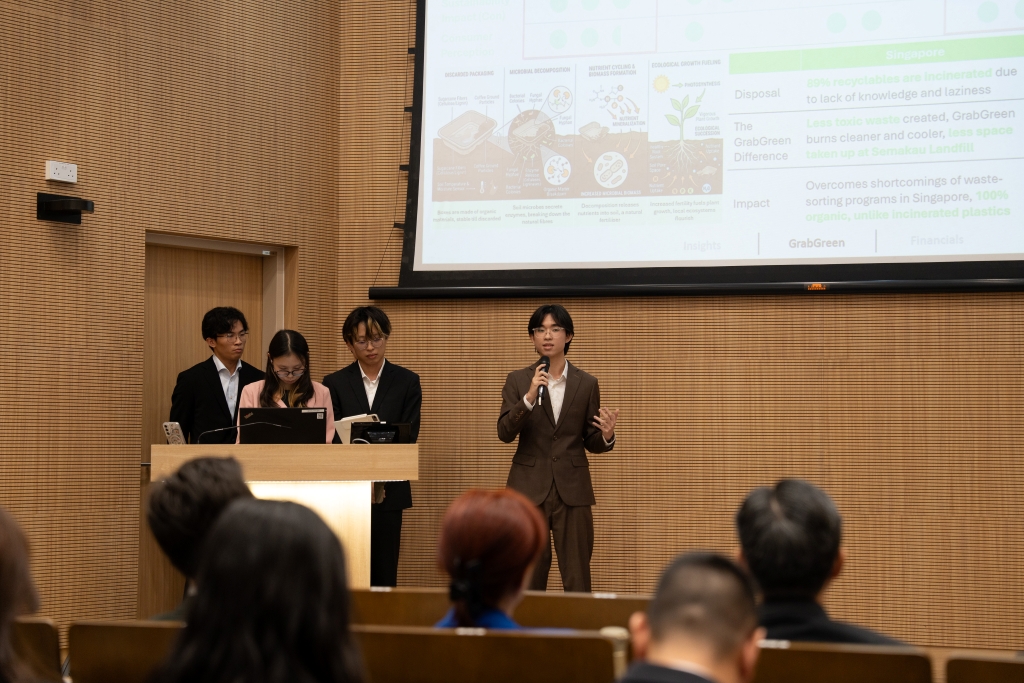
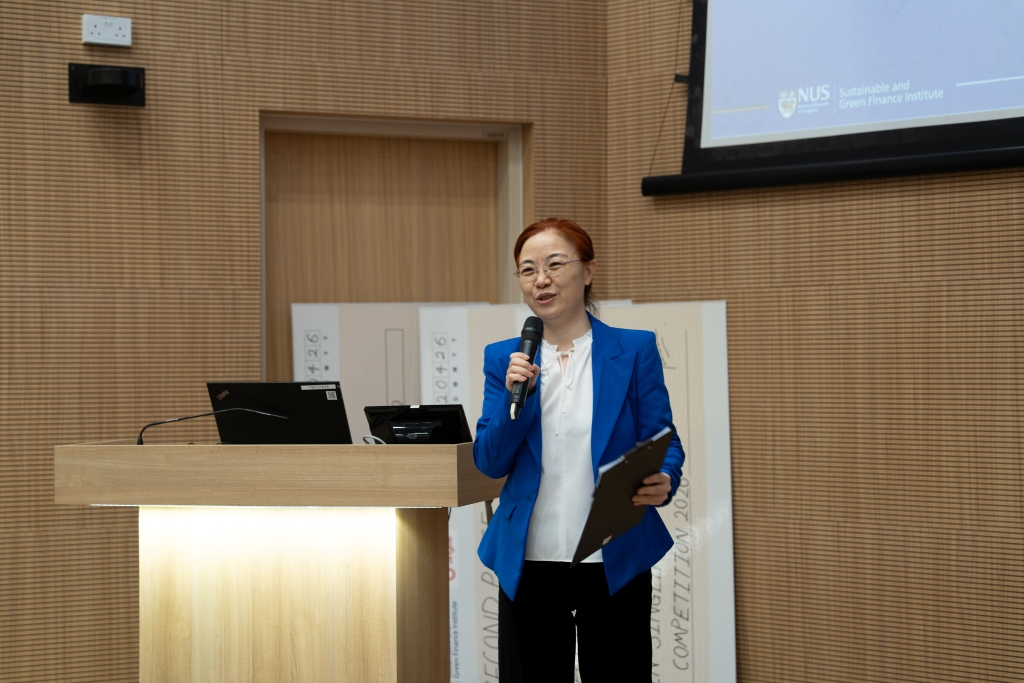
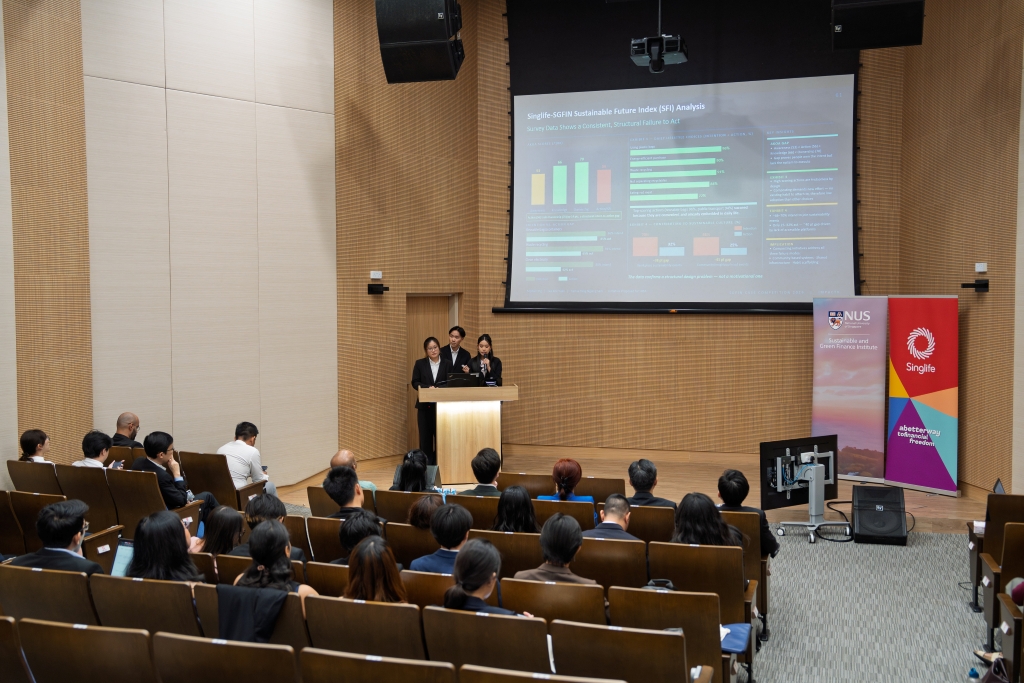
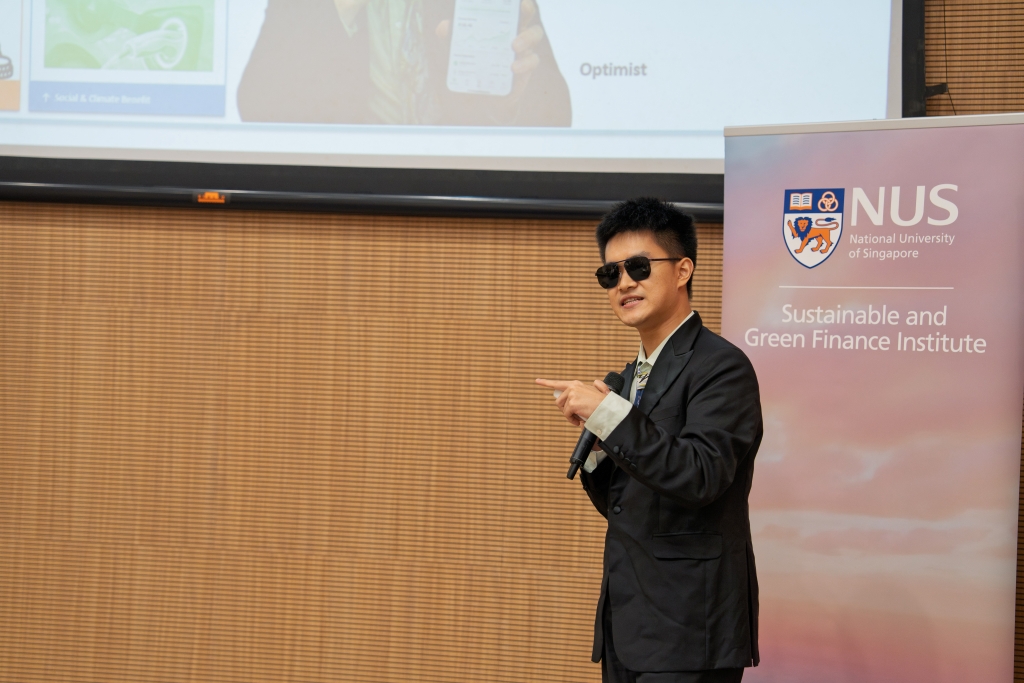
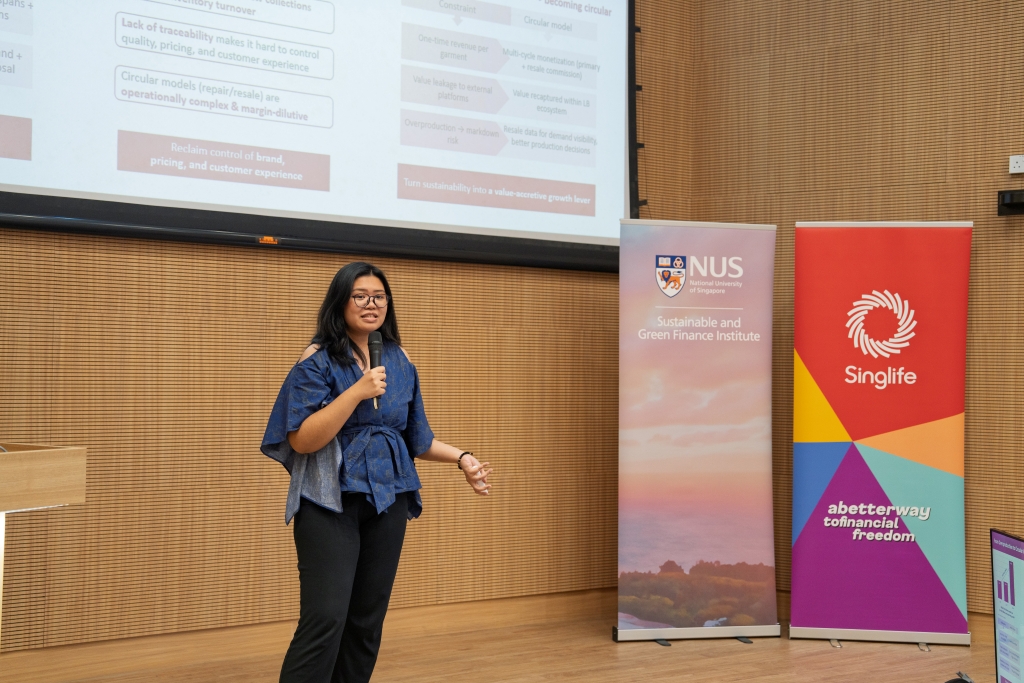
The finalists presented their ideas at the final event held on 22 April 2026 at Innovation 4.0, National University of Singapore. The session opened with an address by SGFIN Managing Director, Sumit Agarwal. Each team delivered thoughtful, relevant, and solution-oriented proposals, spanning a wide range of industries and sustainability topics, including waste management, the EV ecosystem, sustainable financial products, and the circular economy.
A recurring strength across many proposals was the meaningful integration of technology, particularly AI and digital platforms, where the strongest teams demonstrated how these tools could genuinely enhance practical implementation rather than simply serve as buzzwords. The competition also highlighted strong engagement with real-world corporate and community challenges, with teams developing proposals for organisations such as Grab, Singlife, IKEA, and Love, Bonito.
Winning Teams
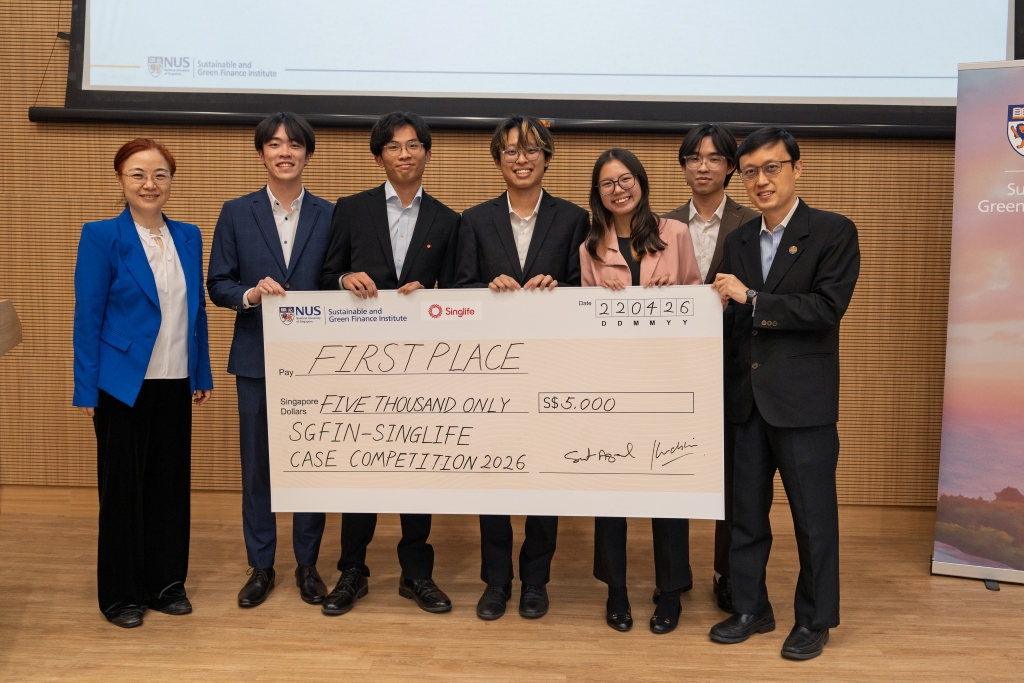
- Pistachio Island emerged as the overall winner with its proposal to tackle single-use plastic packaging by food merchants like Grab Food. The team presented a business model for delivery companies to supply biodegradable packaging in partnership with participating merchants. A key strength of their presentation was its well-rounded approach, effectively aligning environmental impact with commercial viability.
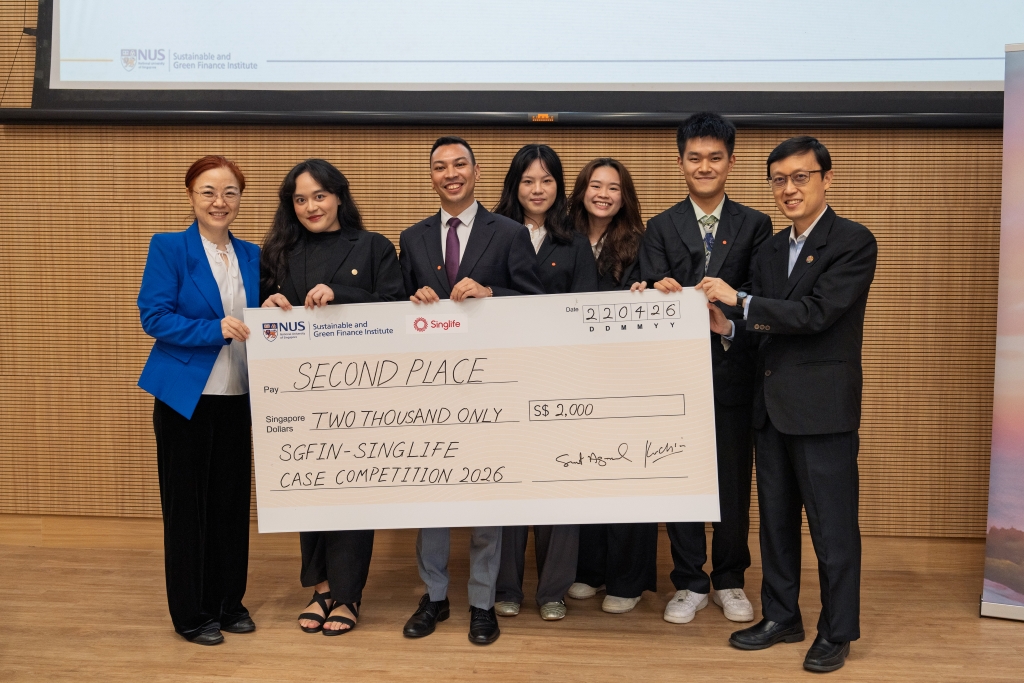
- Plantastic 5 secured second place with an engaging proposal on bidirectional EV charging systems, offering a partial solution to enhance energy security in Singapore by transforming vehicles into revenue-generating assets that support grid stability while reducing costs. Their presentation stood out for its lively, creative delivery and strong guiding principle: “Do it once, do it right.”
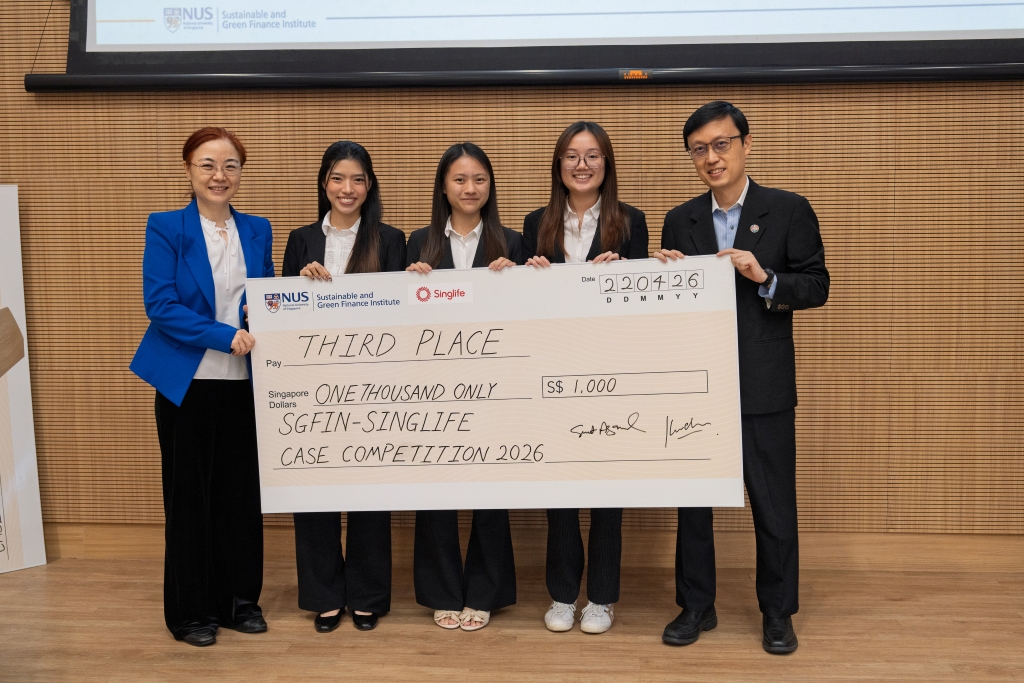
- SusT earned third place with BlockBuddy - an AI-enabled, community-based application designed to help households reduce, recycle, and reuse waste and unwanted items more conveniently. Their strength lay in clearly identifying a practical problem and presenting a simple and accessible solution about educating the users of different pathways of recycling and reusing.
Finalist Highlights
Beyond the winning teams, the remaining finalists also demonstrated exceptional creativity and execution:
- Team ImpactX tackled Singapore’s waste management challenges by integrating Roblox simulations and Bokashi composting programmes into the secondary school curriculum. Their key strength was their holistic consideration of multiple stakeholders, including students, teachers, and curriculum structures.
- EcoWarriors proposed a parametric heat insurance product using temperature-triggered payouts and ESG financing to protect migrant workers from income loss due to urban heat. Their solution demonstrated genuine concern for vulnerable communities while presenting an innovative micro-insurance concept.
- The Sustainers repositioned second-hand furniture as a default option for IKEA through a circular buy-back and resale model. Their key strength was bringing circular economy principles directly to the doorstep of households by increasing adoption and convenience for recycling and reusing.
- Sustainabaddies proposed a circular economy model for Love, Bonito through establishing a circular resale platform. A key strength of their presentation is doing thorough research on the existing platform for resale and using financial analysis effectively.
- Green Alpha proposed leveraging gamification, ESG defaults, and impact tracking to drive adoption of sustainable investing for Singlife. Their strength was effectively drawing on behavioural finance principles to address investor inattention.
- The Sustain-A-Bills presented an alternative model linking utility data to personalised rewards and insurance value to also increase sustainability investing behaviour rate. Their presentation was particularly notable for its pragmatic approach, persuasive delivery, and engaging sense of humour.
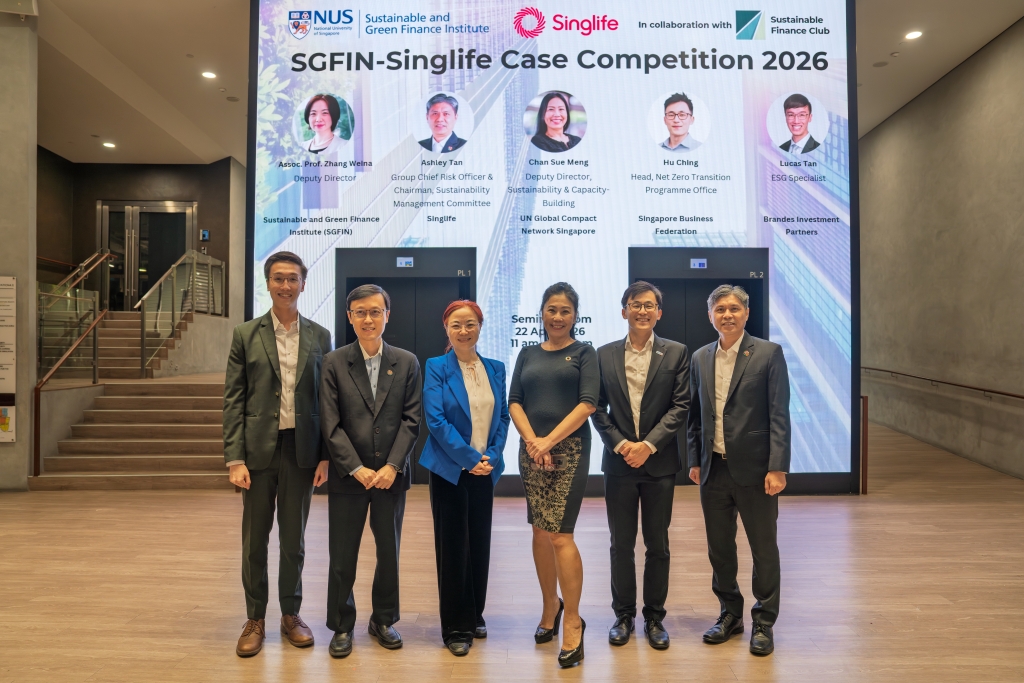
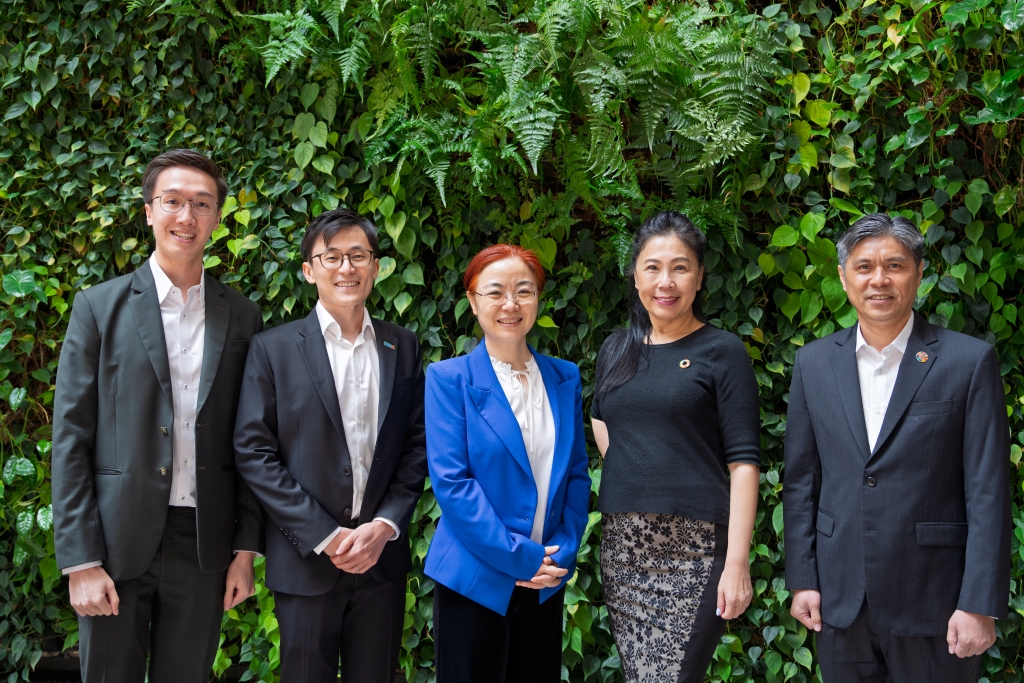
We would like to express our sincere appreciation to all who contributed to the success of this event. In particular, we thank our final round judges - SGFIN Deputy Director Assoc. Prof Zhang Weina, Ashley Tan (Singlife), Chan Sue Meng (United Nations Global Compact Network Singapore), Hu Ching (Singapore Business Federation), and Lucas Tan (Brandes Investment Partners) - for their time, expertise, and thoughtful deliberation.
We also extend our gratitude to the preliminary round judges - Helen Shen (Singlife), Thomas Milburn (DBS), Esther An (CDL), Ian Gan (Constellar), Gowri Palaniappan (Accounting and Corporate Regulatory Authority), and Lucas Tan - for their valuable contributions.
We would also like to acknowledge our workshop facilitators - Ko-Wen Chia and Gail Chai (Singlife), Rohaya Saharom (Mandai Wildlife Group), and Dr. Fan Mingxuan (NUS Business School) - for their support in enriching the case competition experience.
Finally, we thank all participating students for their enthusiasm and the high quality of their submissions. Their ideas reflect a strong commitment to advancing sustainability through practical and innovative solutions.