
The SGFIN Whitepaper Series offers research-driven insights on sustainability, ESG data, carbon footprint analysis, and impact valuation. These publications support businesses and policymakers in making informed, forward-looking decisions.
Visit this page regularly for new whitepapers and the latest thought leadership.
A Multi-Provider Assessment of Asset-Level Flood Risk in the Banking Sector
2026
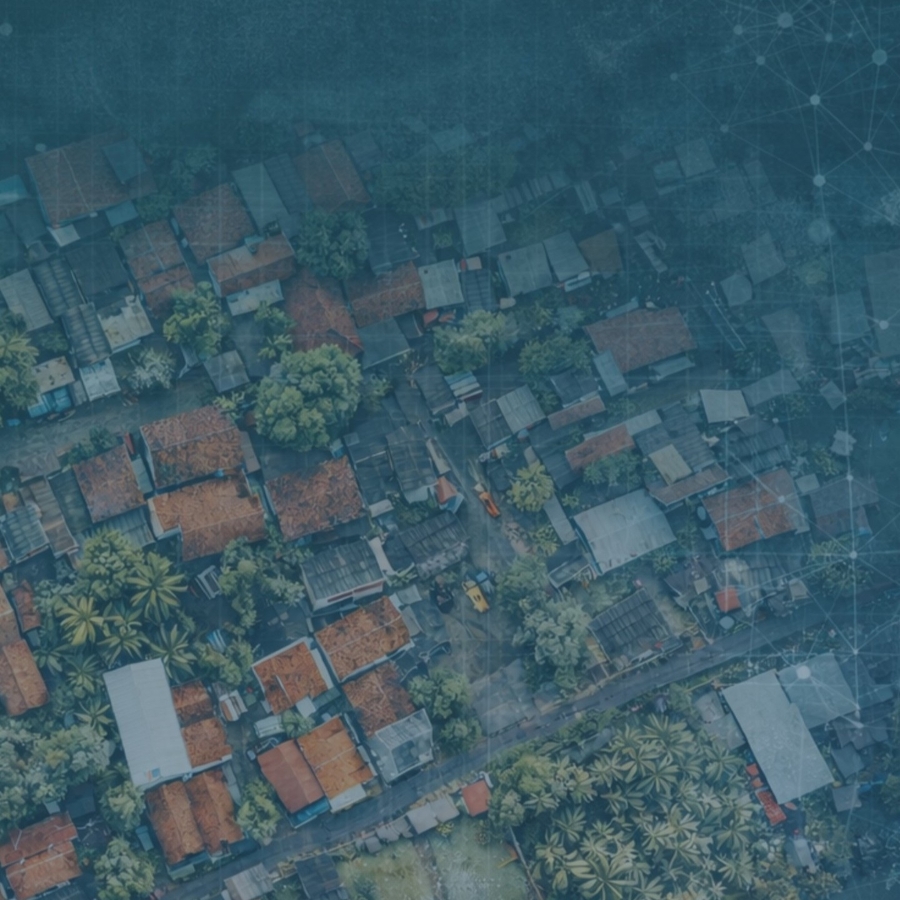
This study links large-corporate loan exposures to georeferenced assets and compares inland flood hazards across three providers. The findings show that asset-level analysis uncovers concentrated losses hidden by borrower averages, especially in capital-intensive sectors. Provider divergence is material, with no single dataset capturing half of pooled tail risk. The framework makes physical climate-risk uncertainty visible, comparable, and actionable for credit assessment, stress testing, and supervision.
Sustainability Integrated Valuation Toolkit for SMEs
2026
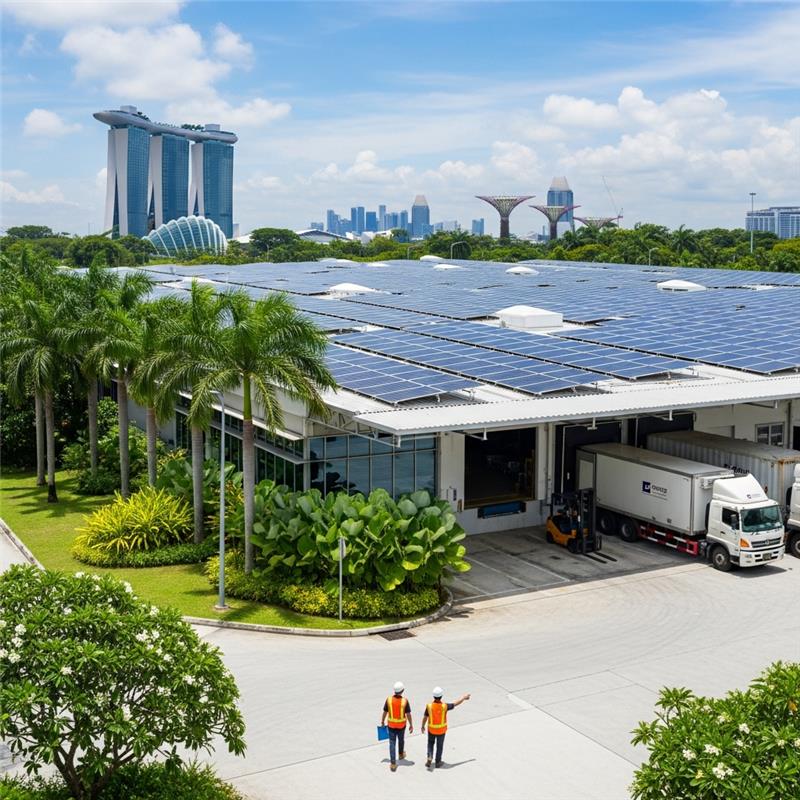
We present a simple toolkit for sustainability reporting and integrated valuation tailored to Small and Medium Enterprises (SMEs) in Singapore. The toolkit utilises the causality models that map the sustainability-related operational activities to the direct effect on company’s financial statements (“financial value”) and externalities generated (“impact value”). By systematising sustainability disclosure and impact assessment, our toolkit supports SMEs in progressing along the sustainability journey. The toolkit differs from some existing sustainability assessment frameworks/methods in three key respects. First, it incorporates an SME-oriented sustainability survey designed to streamline the data collection. Upon submission and verification of sustainability-related operational inputs, participating SMEs receive a simple and standardised sustainability statement. Second, it utilises a comprehensive set of financial proxies from the literature, government websites, well-established industry databases, and industry research to establish evidence-based linkages between operational activities and measurable impacts. Third, the integrated value statement that incorporates both financial values and impact values of the sustainability drivers can provide managerial insights for SMEs to make better decisions in sustainability initiatives.

On the Road to Carbon Market Integrity: Article 6.4’s Higher Standard and the Risk of Fragmentation
2026
With the continued challenges facing the voluntary carbon market, it is becoming an even more uphill task to meet global climate targets. At COP29, countries agreed to operationalize standards for a centralised carbon market based on the Article 6.4 mechanism of the Paris Agreement. This development has the potential to promote greater standardisation in the generation and transfer of carbon credits, providing safeguards to ensure that carbon credits meet higher quality standards. Building on SGFIN’s previous methodology for assessing the robustness of carbon crediting frameworks in promoting high-quality carbon credits, this whitepaper evaluates the strengths and weaknesses of the documents that form the foundation of the Article 6.4 mechanism framework. It finds that recent developments in the UNFCCC-led framework represent significant steps toward greater carbon market integrity, but also highlight a key implementation risk: if the rules are perceived as too stringent or costly to adopt, buyers and project developers may continue to rely on alternative standards, potentially contributing to market fragmentation and confusion.

Transition and Physical Climate Risks in Bank Loan Portfolios Across the Indonesian Banking System
2026
As physical risks from climate change escalate globally, financial systems face mounting climate-related vulnerabilities. Indonesia’s banking sector also faces compounding exposure. The country’s low-lying coastal geography and fossil fuel-dependent economy create dual vulnerabilities, both transitional and physical. Transition stress testing reveals that coal, oil, gas, and electricity sector borrowers face disproportionately higher default risks during volatile periods, with expected losses potentially rising 35%. Flooding poses particularly severe physical risks, threatening borrower asset values significantly. By 2060, major banks could face annual asset losses averaging 0.4% under moderate climate scenarios, and rising over 60% under severe projections. Stronger provisioning, improved capital planning, and enhanced climate risk monitoring frameworks are urgently needed.

Understanding Net Zero Commitments by Singaporean Firms
2026
As Singapore advances toward its national goal of net zero emissions by 2050, understanding how listed companies in Singapore are responding is critical for investors, policymakers, and businesses alike. This whitepaper provides a comprehensive, evidence-based assessment of net zero commitments made by Singapore-headquartered listed firms, based on detailed manual screening of annual and sustainability reports.

Farming Practices, Financing Constraints, and Trust Barriers in Indonesia’s Rice Sector
2026
This paper provides a detailed examination of the financial vulnerabilities faced by smallholder rice farmers in Indonesia. This paper presents findings from a large-scale survey of 3,030 rice-farming households, highlighting the underlying barriers to productivity, financial inclusion, and climate resilience.

Sustainable Business in Biofuels
2025
This whitepaper aims to support the efforts towards scaling and commercialising the biofuels in a more financially and environmentally sustainable manner, equipping stakeholders in the biofuel industry with the knowledge on key gaps and opportunities within biofuels’ business models, financing, and policy landscapes.

Consumption Carbon Footprint: Country Level Data Framework
2025
This whitepaper presents a country-agnostic algorithm for estimating household and individual carbon footprints based on personal consumption baskets.
Harmonized Framework for Corporate Sustainability Evaluation
2025
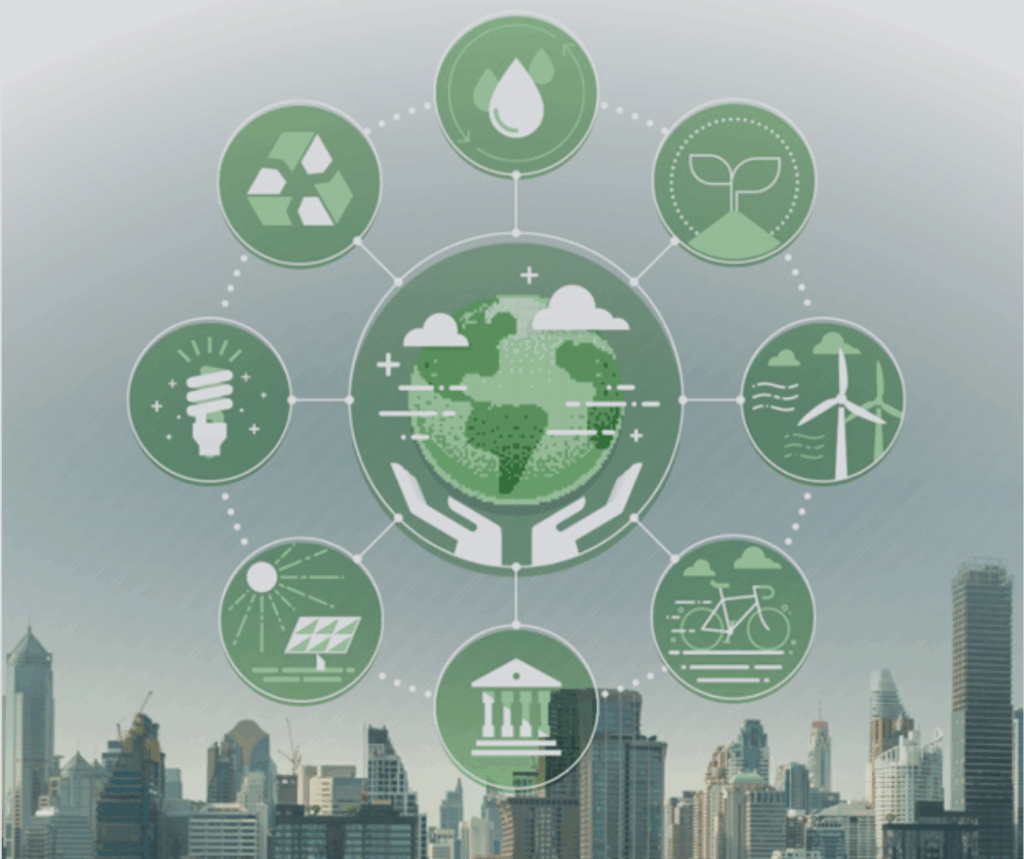
This whitepaper outlines SGFIN’s Sustainability Evaluation Framework (SEF) that integrates corporate operations and value chain, strategic planning, and external validation through independent audits and adherence to global reporting standards.

Consumption Carbon Footprint: Singapore Case Study
2025
This whitepaper aims to provide an assessment of Singapore’s household consumption carbon footprint using the country-agnostic algorithm described in the SGFIN Whitepaper “Consumption Carbon Footprint: Country Level Data Framework”. It seeks to highlight carbon impacts across income groups and consumption categories while identifying pathways for footprint reduction and opportunities for carbon labelling and value-chain decarbonization.

Improving the Integrity of Sustainability Data: Reviewing Environmental Coverage of Sustainability Data Providers
2024
This whitepaper aims to highlight the inconsistencies in underlying sustainability data that informs sustainability ratings, quantify the data gaps in Southeast Asia, and provide insights to enhance the usefulness of sustainability data for commercial, financial and research purposes.

Principles and Requirements for Evaluating Carbon Credit Frameworks
2024
This whitepaper aims to propose a robust methodology and a set of principles and requirements to evaluate carbon credit verification frameworks. Using the methodology, we examine dominant frameworks in the global carbon market and evaluate their ability to support high quality carbon credits.