
Pillar 4
Promoting Nature Capital
SGFIN’s Pillar 4 focuses on evaluating the environmental and social impacts of nature-based projects. It develops frameworks to assess project integrity, ecosystem services and community outcomes, helping investors identify high-quality initiatives. By integrating climate, biodiversity and social metrics, this work guides capital toward projects that deliver lasting sustainability and resilience.
SGFIN research on natural capital investigates how it can be valued, protected and integrated into financial and policy decision-making. It advances robust evidence on biodiversity, ecosystem services and market-based instruments, while exploring incentives, disclosure frameworks and governance mechanisms that align economic activity with long-term environmental sustainability, risk management and climate resilience.
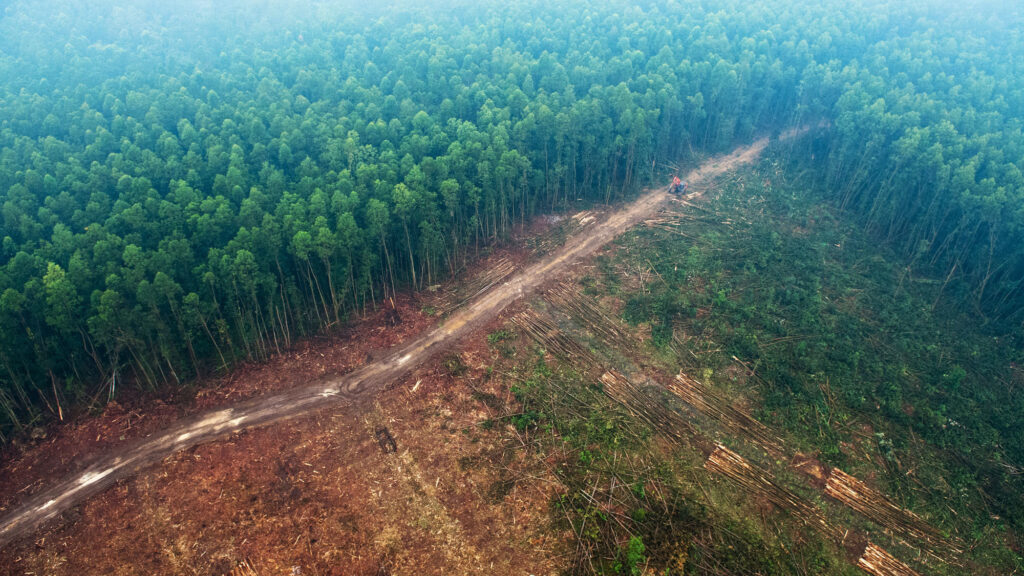
ESG Ratings & Deforestation Exposure
Y. Zhu, J. Sulaeman, & L.R. Carrasco. (2026). Corporate ESG assessments fail to capture actual deforestation exposure. Proc. Natl. Acad. Sci. U.S.A. 123 (38) e2526924123. https://doi.org/10.1073/pnas.2526924123
Deforestation is a fundamental upstream risk to global sustainability, affecting all three pillars of credible Environmental, Social, and Governance (ESG) assessments, which are crucial sources of information facilitating sustainable investment decisions. However, the efficacy of major commercial ESG assessment tools in capturing corporate deforestation exposure remains unknown. We examine the relationship between corporate ESG ratings from five major ESG rating providers and two geospatially driven measures of company-level deforestation: forest loss surrounding corporate assets across sectors globally and supply-chain exposure to six forest-risk commodities in four tropical countries. Although deforestation is featured prominently in ESG methodologies, we fail to find evidence that ESG scores consistently penalize companies for deforestation. Conversely, ESG ratings respond more to media-based signals than to geospatially quantified deforestation. ESG analyses present apparent biases. Companies with deforestation exposure through soy, pork, and chicken supply chains receive higher ESG scores, whereas palm oil producers are more consistently penalized for deforestation exposure. Future integration of geospatial, ground-validated deforestation data and supply chain information into ESG assessment frameworks is essential for ESG-driven sustainable investing to effectively contribute to curbing deforestation.

On the Road to Carbon Market Integrity: Article 6.4’s Higher Standard and the Risk of Fragmentation
2026
With the continued challenges facing the voluntary carbon market, it is becoming an even more uphill task to meet global climate targets. At COP29, countries agreed to operationalize standards for a centralised carbon market based on the Article 6.4 mechanism of the Paris Agreement. This development has the potential to promote greater standardisation in the generation and transfer of carbon credits, providing safeguards to ensure that carbon credits meet higher quality standards. Building on SGFIN’s previous methodology for assessing the robustness of carbon crediting frameworks in promoting high-quality carbon credits, this whitepaper evaluates the strengths and weaknesses of the documents that form the foundation of the Article 6.4 mechanism framework. It finds that recent developments in the UNFCCC-led framework represent significant steps toward greater carbon market integrity, but also highlight a key implementation risk: if the rules are perceived as too stringent or costly to adopt, buyers and project developers may continue to rely on alternative standards, potentially contributing to market fragmentation and confusion.
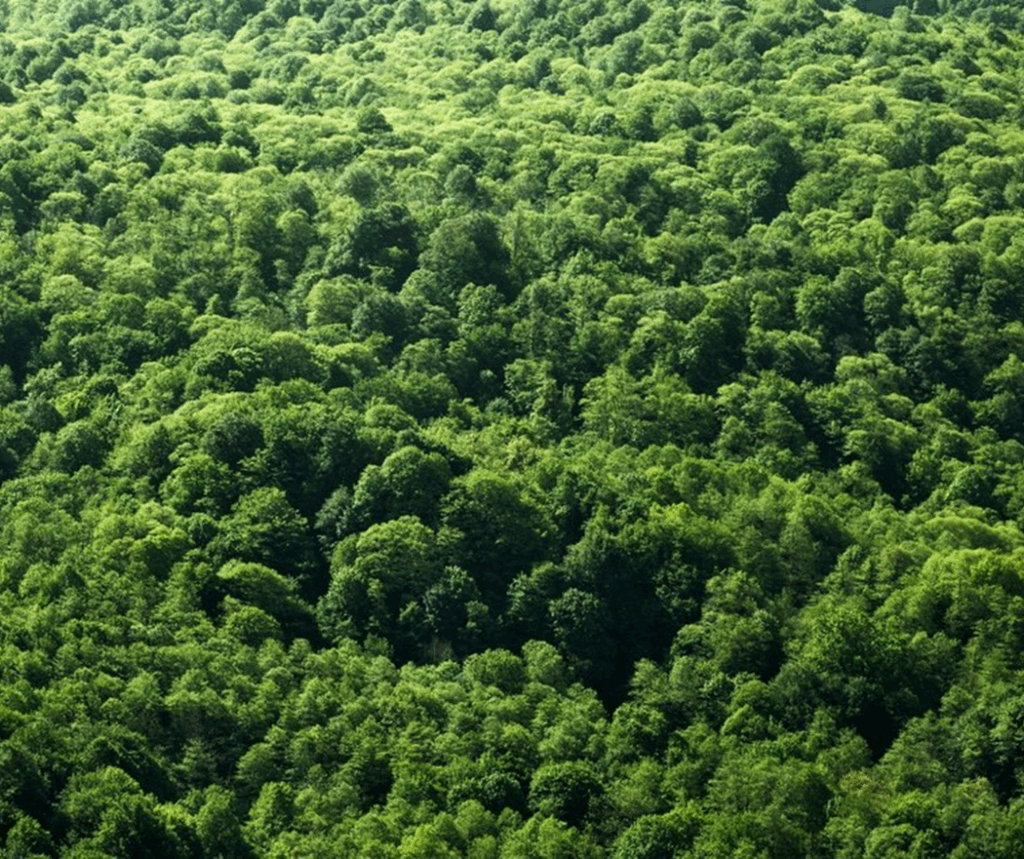
Principles and Requirements for Evaluating Carbon Credit Frameworks
2024
This whitepaper aims to propose a robust methodology and a set of principles and requirements to evaluate carbon credit verification frameworks. Using the methodology, we examine dominant frameworks in the global carbon market and evaluate their ability to support high quality carbon credits.

Environmental Performance & Housing Prices
Agarwal, S., Ding, Y.H., Kuang, W.D., & Zhu, X. (2023). Are environmental punishments good news or bad news? Evidence from China. Journal of Environmental Economics and Management, 120 (102847), https://doi.org/10.1016/j.jeem.2023.102847
This study investigates how the disclosure of environmental punishments influences housing prices in the context of rising public awareness of environmental issues. Examining data on firm-level environmental punishments and housing resale transactions in Beijing from January 2015 to December 2017, we observed a significant average price drop of 1.84% for houses located within 0.5 km of environmentally punished firms. The impact intensified with multiple environmental punishments and was more pronounced during heating seasons and national events. We identify three mechanisms explaining the effects of environmental punishments on housing prices: “information disclosure,” where the impact magnifies with public release and environmental information searching; “information dissemination,” revealing that negative effects decrease with distance and over time; and “health concern,” indicating stronger responses from older homebuyers and those with children compared to unmarried young homebuyers.
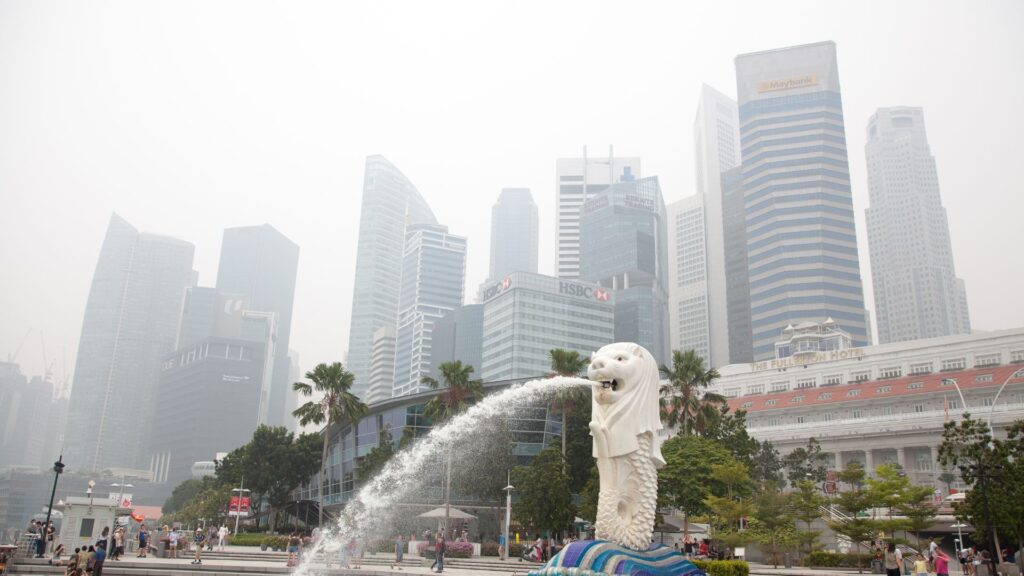
Haze Pollution & Educational Outcomes
Agarwal, S., Tan, P.L., & Tan-Soo, J.S. (2023). Long-term effects of air pollution on Singapore’s national university admissions. Applied Economics Letters, 31(13), 1178-1183, https://doi.org/10.1080/13504851.2023.2177586
In this research, we examine the lasting effects of being exposed to haze pollution on university admissions in Singapore. Using the individual-level data from all university applicants in Singapore between 1981 and 2015, we discovered that people who were exposed to haze while in the womb during the episodes in April 1977 and October 1983 had lower admission scores and were less likely to get into university compared to those not exposed to haze. These effects were more pronounced for females. However, for the haze episodes in October 1991, August to October 1994, and August to October 1997, which were even more severe pollution events, we did not find the same negative impacts. These results show that air pollution’s long-term effects can vary. While the effects of the first two episodes lingered over time, the later three episodes suggest that negative impacts might be reduced due to economic progress and protective measures.
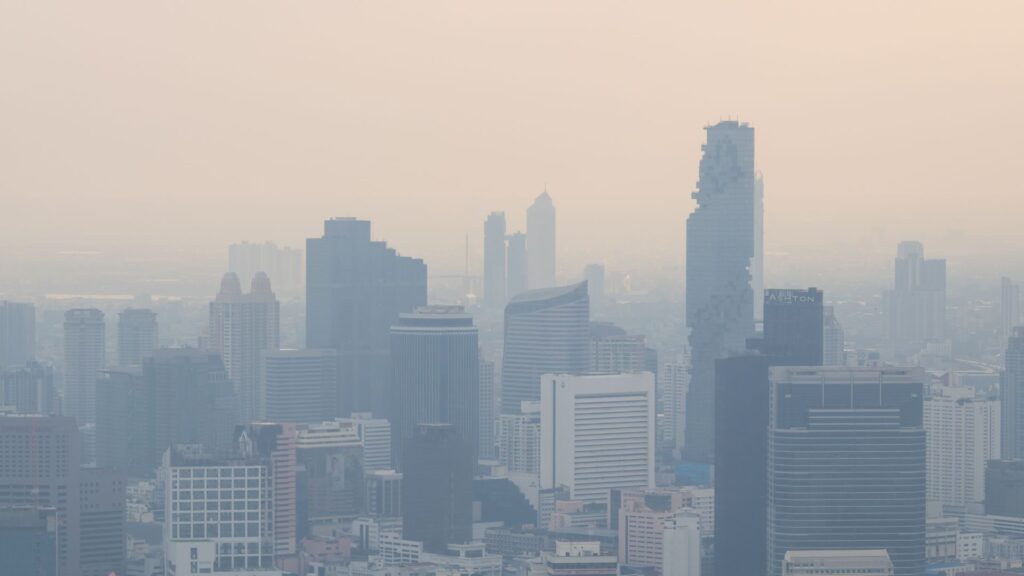
Haze Pollution & Customer Satisfaction
Agarwal, S., Long, W., & Yang, Y. (2021). Impact of transboundary air pollution on service quality and consumer satisfaction. Journal of Economic Behavior and Organization, 192, 357-380, https://doi.org/10.1016/j.jebo.2021.10.002
This study investigates how air pollution in Singapore, stemming from forest fires in Indonesia, impacts both firm productivity and consumer satisfaction. We measured firm productivity in the private sector by examining subcategory review scores related to service quality, while consumer satisfaction was assessed through overall individual-level online review scores. Our findings indicate that when air quality declines due to haze, there is a noticeable dip in consumer satisfaction. However, as the haze clears, consumer satisfaction undergoes a significant recovery, remaining higher than pre-haze levels for approximately eight months. A deeper dive into the review data using sentiment analysis revealed that the decline in consumer satisfaction during hazy periods is more linked to changes in people’s mood rather than any decline in service quality.